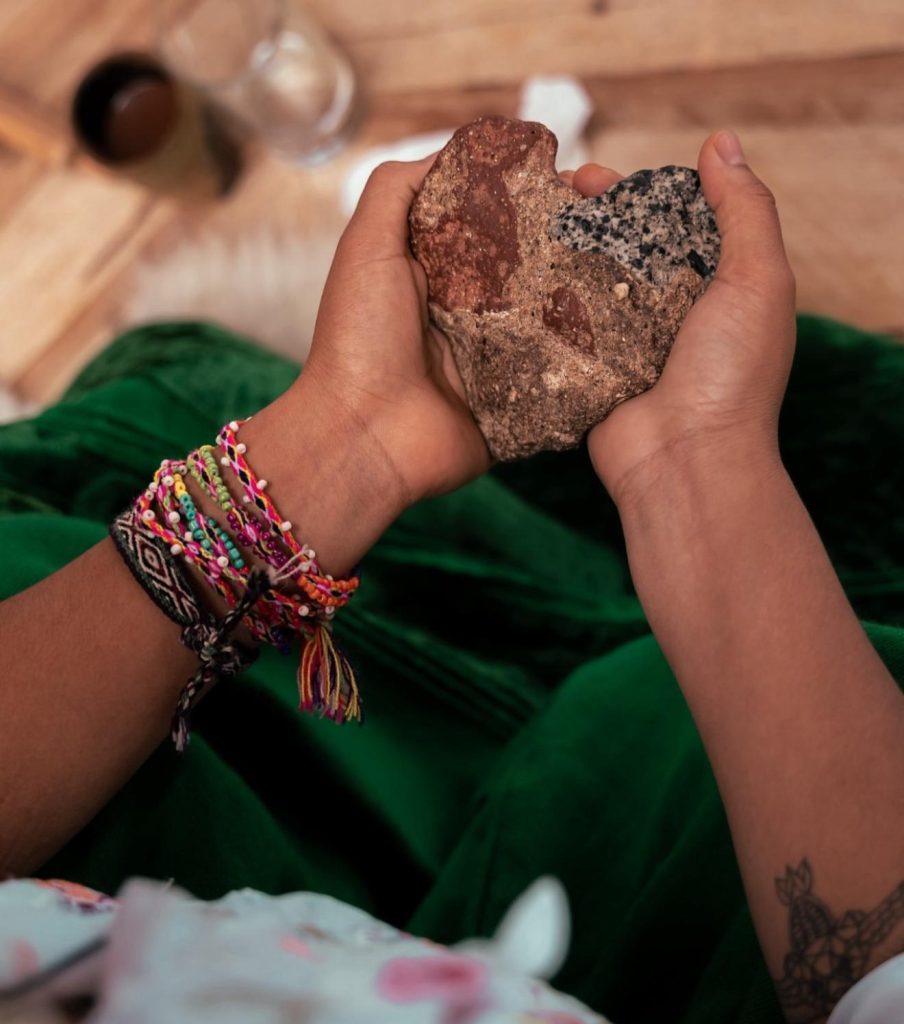
Ayahuasca

What Is Ayahuasca?
Ayahuasca is a sacred indigenous brew, traditionally made by boiling the Banisteriopsis caapi vine with the leaves of the Psychotria viridis plant. Both plants grow throughout the Amazon, and for generations, indigenous communities in Peru, Colombia, Ecuador, and Brazil have used this medicine in ceremony. In some traditions, it is also known as yajé or yagé.
At Refuge, we offer small-group ayahuasca retreats, guided by the Shipibo ceremonial tradition. Our approach is trauma-informed and includes preparation guidance, integration support, and ceremonies led by Shipibo healers who work with icaros—sacred healing songs that direct the ceremony and support the energetic work of the medicine.
Ayahuasca ceremonies take place at night and typically last several hours. Many guests describe the experience as intense, emotional, and deeply illuminating. The medicine often works with the subconscious, bringing forward memories, emotions, and insights that help people understand themselves and their lives more clearly.
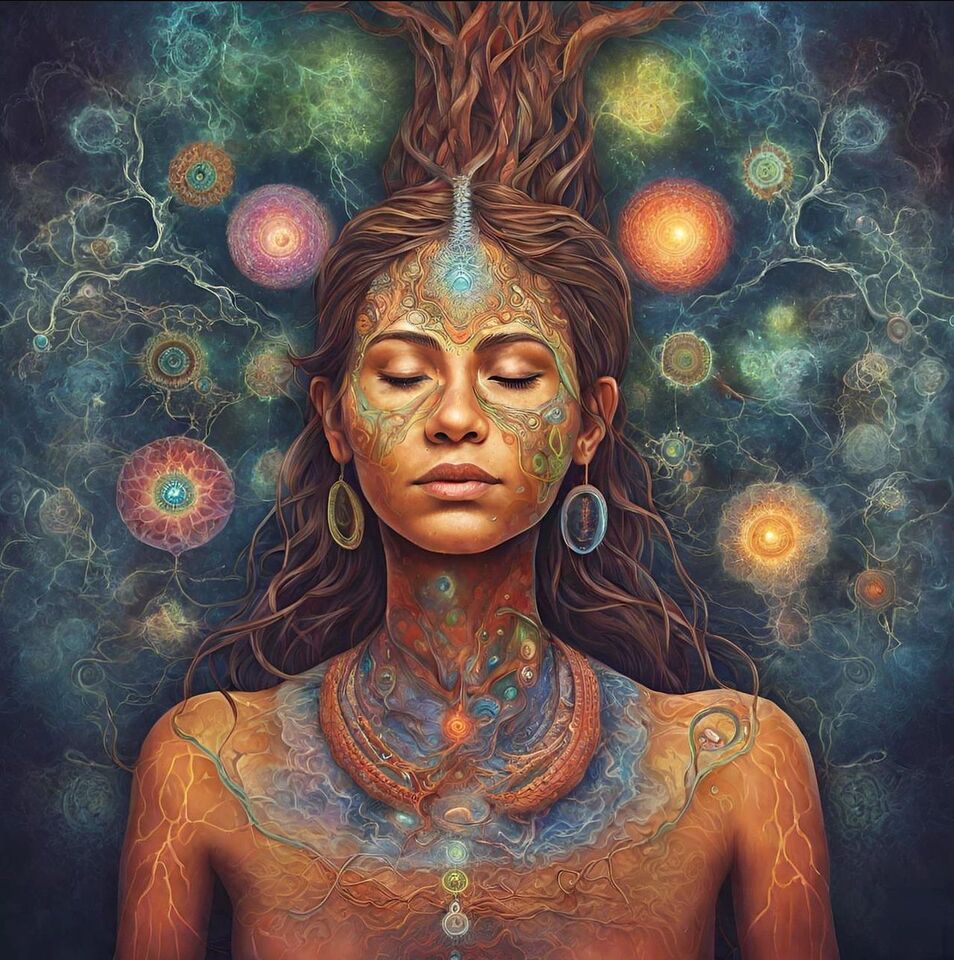
Origins, Ceremony, and Healing Potential
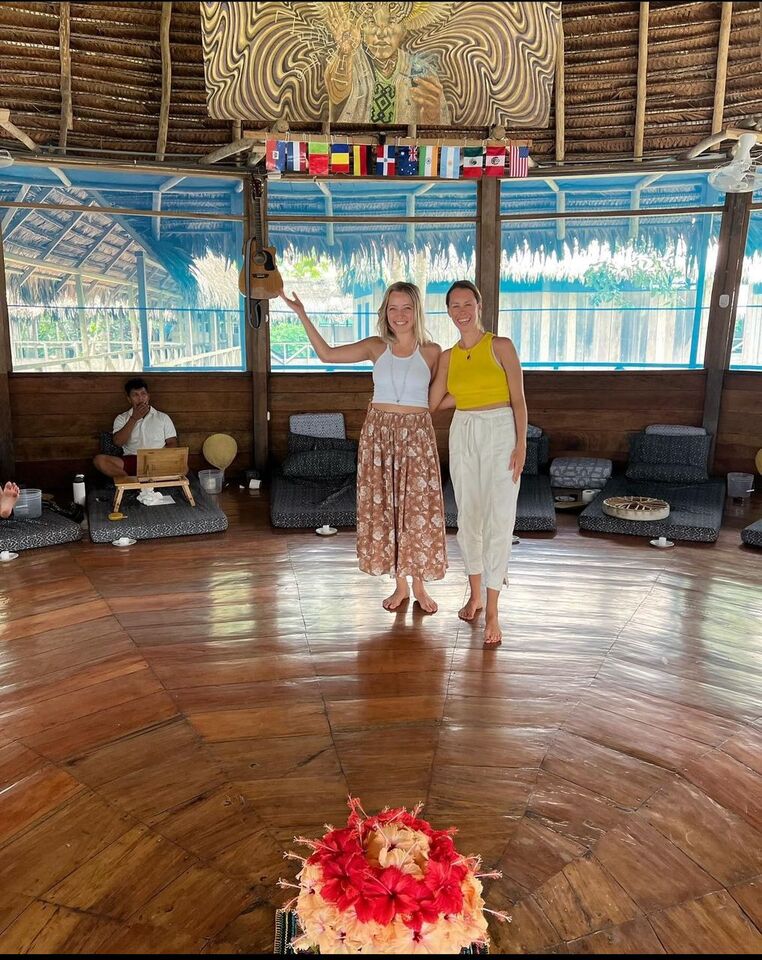
Ayahuasca and Deep Emotional Healing
For many, ayahuasca can be a deeply transformative experience. The medicine often brings awareness to the root of emotional patterns, fears, and past experiences. Guests sometimes report processing unresolved emotions, reconnecting with parts of themselves, or gaining clarity about their life path.
In many traditions, ayahuasca is regarded as a nurturing and intelligent medicine—often felt as a feminine guiding presence that supports healing of the mind, body, and spirit.
Emerging research has also explored its potential, within safe and supportive ceremonial settings, to assist individuals working through depression, PTSD, and addiction.
Because of the intensity of the experience, our retreats are intentionally kept small and are trauma-informed, ensuring each guest feels supported throughout their journey.
Ayahuasca is traditionally prepared from the Banisteriopsis caapi vine and Psychotria viridis (Chacruna) leaves, which contain DMT. The vine allows the DMT to become orally active, creating a synergistic and visionary experience. The mixture is slowly brewed over several hours until it becomes the ceremonial medicine.
A Traditional Ayahuasca Retreat Experience
Ayahuasca Indigenous History
Ayahuasca has been used for centuries by Indigenous communities throughout the Amazon basin, particularly in regions of Peru, Brazil, Colombia, and Ecuador. The brew traditionally made from the Banisteriopsis caapi vine and chacruna leaves reflects generations of deep ecological knowledge and a close relationship with the natural world.
Ceremonies are led by experienced healers, often known as curanderos, who undergo years of apprenticeship with plant medicines. Sacred songs, called icaros, are used to guide and support the experience, with the practice rooted in respect, reciprocity, and connection to nature.
In the 20th century, ayahuasca began to extend beyond Indigenous communities through syncretic traditions such as Santo Daime and União do Vegetal, and later gained wider global attention. At Ananda Lodge, we honor these traditions while creating a setting that emphasizes thoughtful preparation, safety, and meaningful integration.